The Evolution of My Work: Workplace Hearing Loss Inclusion
Happy New Year!
Since Fall of 2025…
A lot and a little of nothing has happened since my last post. Life keeps moving — you glance around, and before you know it, time has slipped by. With that in mind, this new year I’m refining a fresh approach to raising awareness about hearing loss. Hearing loss is a sensitive, often misunderstood topic; many people know very little about it and frequently have the wrong idea because it’s an invisible condition. Stories and perspectives like these are therefore rare. As challenging as it may be, I will continue my work to spread awareness and to advocate for the importance of living an engaged, inclusive life with hearing loss. Here’s what I’m up to these days.
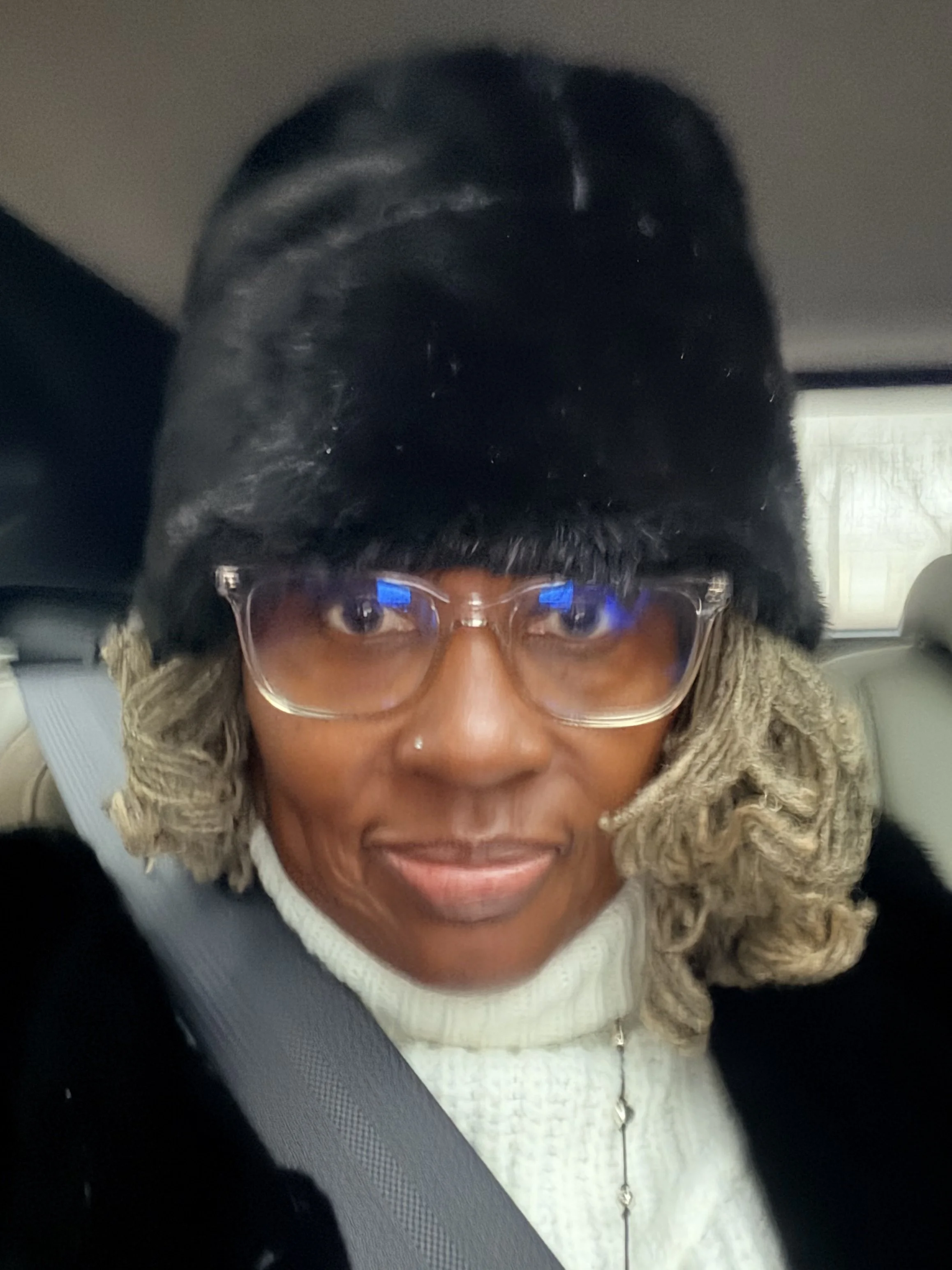
My love for hats!
Seven years ago, I started sharing my hearing loss journey online. I talked about isolation, self-advocacy, and learning to live vibrantly with hearing loss. I founded Empower and Hear to support Women of Color navigating this journey. And it's been incredibly fulfilling work.
But lately, I've been thinking about something bigger.
While I was learning to advocate for myself, I kept running into the same problem: workplaces didn't know how to support me. Well-meaning managers would nod and smile, but they had no idea what accommodations I actually needed. HR departments would scramble when I requested support. And I wasn't alone in this experience.
That's why I'm pivoting my focus in 2026 to Workplace Hearing Inclusion.

An office setting
Why This Matters
Here's what we know:
48 million Americans live with hearing loss
2 million Black Americans are affected
Most companies have employees with hearing loss—whether they know it or not
Very few organizations have proactive accommodations in place
The result? Talented employees struggle in silence. They're exhausted from trying to keep up in meetings. They're passed over for promotions because they "seem disengaged." They're burning out from the constant cognitive load of trying to hear and understand in environments that weren't designed for them.
And companies are losing out on incredible talent simply because they don't know how to create inclusive environments.
What I've Learned
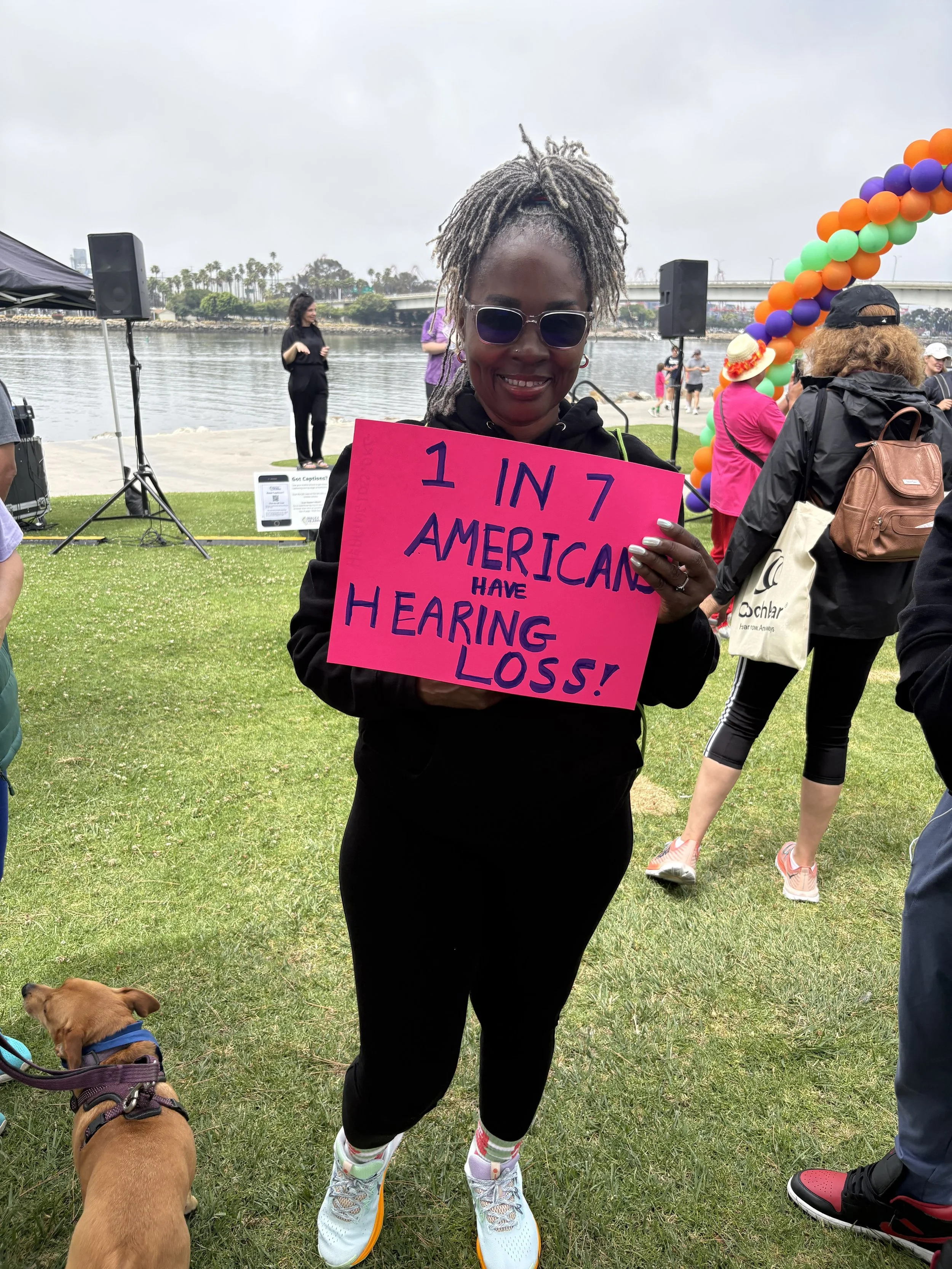
Having a ball at Walk4Hearing event June 2025
Over the past seven years, I've:
Learned to correctly advocate for myself
Share loads of resources on self-advocacy
Become a Certified Peer Mentor
Become VP of Los Angeles HLAA Chapter
Become Walk Caption for Los Angeles, HLAA’s nationwide Walk4Hearing
Developed the VIBRANT framework for thriving with hearing loss
Presented at national conventions on hearing loss in the Black community
And here's what I know to be true: individual advocacy is powerful, but systemic change is transformative.
We can teach people to advocate for themselves all day long. But if workplaces don't know how to respond? If managers aren't trained? If accommodations aren't normalized? Then we're asking individuals to fight the same battles over and over again.
It's time to flip the script.
What's Changing
In 2026, I'm expanding my work to include Workplace Hearing Loss Inclusion training and consulting for companies, HR teams, and leadership.
This means:
Training sessions (60-90 minutes) for leadership teams on creating hearing-inclusive environments
Consulting with companies to implement accessibility practices
Workshops that help teams understand the real impact of hearing loss in the workplace
Resources for managers who want to support employees with hearing loss but don't know where to start
I'm still doing everything I've always done—coaching individuals, supporting Women of Color through Empower and Hear, sharing resources and advocacy tips. But now, I'm also meeting companies where they are and helping them create workplaces where people with hearing loss can actually thrive.
Why Now?

Auditory fatigue can cause listlessness at work.
Because I'm tired of watching talented people struggle in workplaces that could easily support them with the right knowledge and tools.
Because companies genuinely want to be inclusive—they just don't know what they don't know about hearing loss.
Because prevention, inclusion, and accessibility shouldn't be afterthoughts.
And because representation matters. As a Black woman with hearing loss, I bring lived experience and deep expertise to this work. I understand the intersections of race, disability, and workplace dynamics in ways that generic DEI training simply can't address.
What This Means for You
If you're an individual with hearing loss:
Nothing changes. I'm still here for you. Keep following along for advocacy tips, resources, and support. And now, if your workplace needs training, I can help with that too.
If you're a business owner, HR professional, or manager:
Let's talk. If you've ever wondered how to better support an employee with hearing loss—or if you want to create proactive accessibility before it becomes an issue—I can help.
If you're part of my community:
Thank you for being on this journey with me. Your support over the past seven years has made this pivot possible. Let's keep building together.
Moving Forward
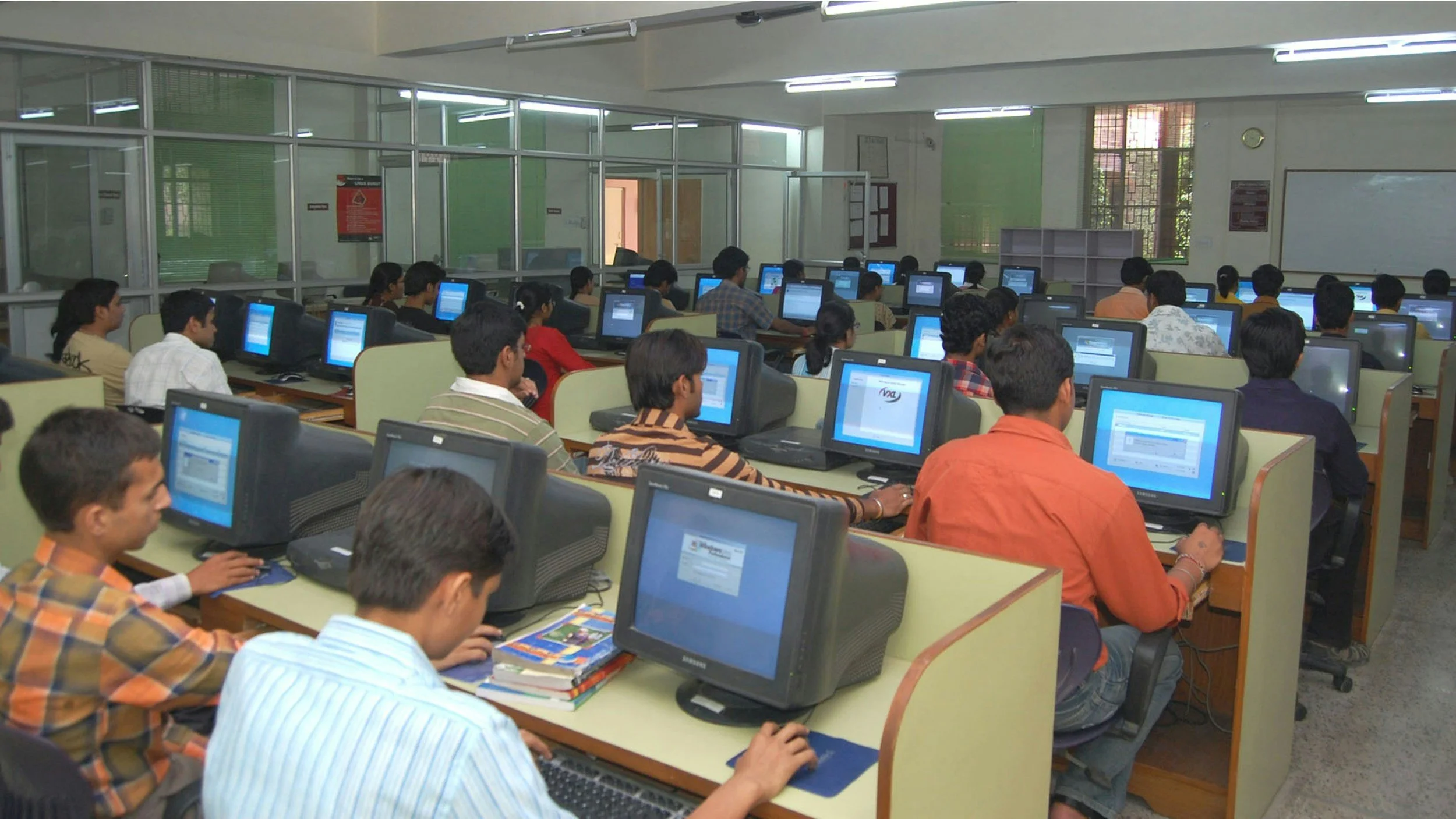
Workplace Hearing Inclusion training — an online course, for employers and employees.
This pivot feels right. It feels like the natural evolution of the work I've been doing all along. I've spent years learning how to navigate hearing loss in the workplace. Now it's time to help workplaces navigate too. It’s an wonderful online tool to teach, supervisors, managers and employees alike!
Here's to 2026. Here's to systemic change. Here's to creating workplaces where everyone—regardless of their hearing status—can show up fully and thrive.
Whether you're navigating hearing loss yourself or leading a team that includes people with hearing loss, I'm here to help. Connect with me at www.valeciaadams.com
Let's do this.
— Valecia Adams
Certified Peer Mentor | Workplace Hearing Loss Inclusion Expert | Founder, Empower and Hear